
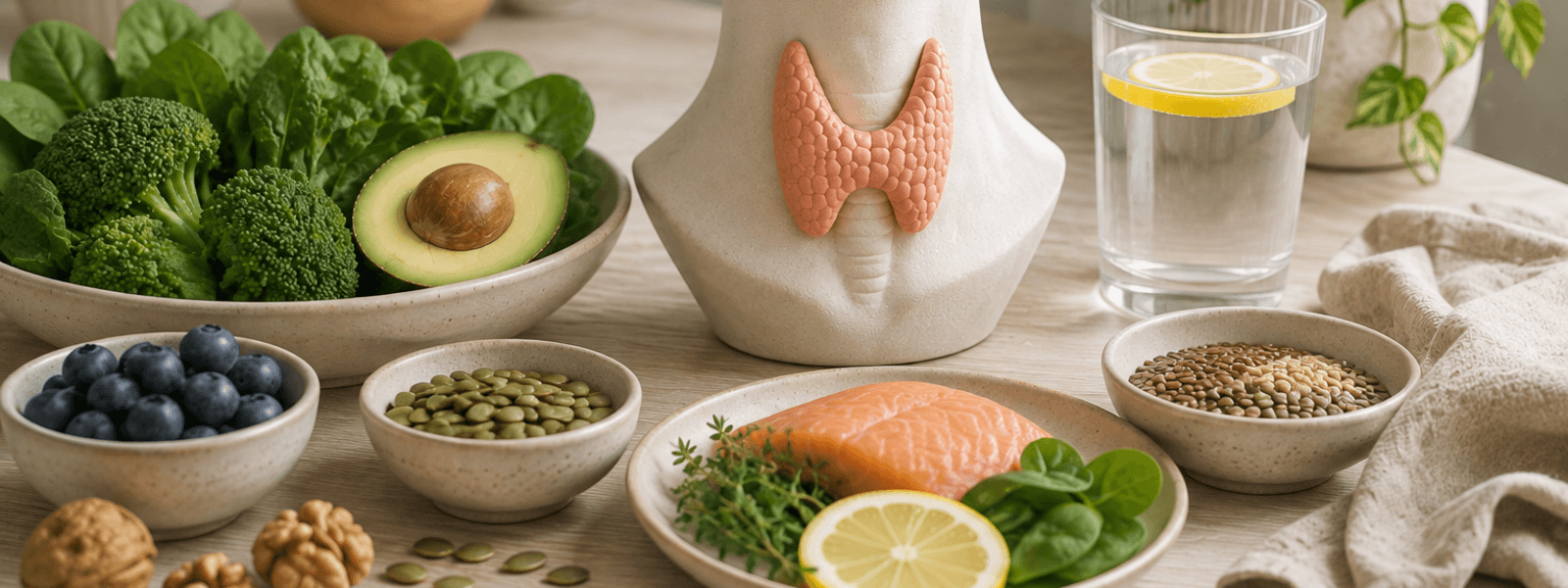
Underactive Thyroid Diet
Nutrition for an Underactive Thyroid
Get in Touch With Us!
We aim to get back to you in 24 hours.
Finding the right diet when you have an underactive thyroid can feel complicated.
Search online and you'll find lists of foods to avoid, supplements you're told you need and restrictive eating plans claiming to support thyroid function. It can be difficult to know which advice is genuinely relevant to you.
At Underactive Thyroid Diet, we take a simpler approach.
We help you build a balanced, nutritious and practical way of eating around your individual needs, preferences and lifestyle.
No extreme diets. No unnecessary food restrictions. Just straightforward nutritional support designed to make healthy eating easier.
What Is an Underactive Thyroid Diet?
An underactive thyroid, also known as hypothyroidism, occurs when your thyroid gland doesn't produce enough thyroid hormones. In the UK, Hashimoto's disease is the main cause of an underactive thyroid.
There isn't one special diet that everybody with hypothyroidism needs to follow.
Instead, your diet should provide an appropriate balance of energy, protein, carbohydrates, fats, fibre, vitamins and minerals.
The British Thyroid Foundation specifically states that there is no recommended universal “thyroid diet”.
Our approach therefore focuses on your whole diet, rather than individual foods being labelled as good or bad for your thyroid.
What Can We Help With?
Your nutritional priorities will depend on what you currently eat and what you want to achieve.
Support can include:
- Creating balanced everyday meals
- Underactive thyroid meal planning
- Weight-management nutrition
- Increasing protein and fibre
- Reviewing portion sizes
- Improving dietary variety
- Understanding iodine and selenium
- Reviewing supplements
- Vegetarian and vegan diets
- Understanding food restrictions
- Eating around levothyroxine
- Developing sustainable eating habits
Rather than handing everyone the same hypothyroidism meal plan, recommendations can be adapted around your actual lifestyle.
What Should You Eat With an Underactive Thyroid?
You don't need to fill your kitchen with specialist “thyroid foods”.
A balanced diet can be created using familiar ingredients you already enjoy.
Protein
Protein-rich foods can include fish, eggs, lean meat, beans, lentils, pulses, dairy products and suitable plant-based alternatives.
Including a source of protein in your main meals can also make it easier to construct balanced meals.
Higher-Fibre Carbohydrates
Potatoes, oats, rice, pasta, bread and wholegrains can all form part of a balanced diet.
You don't automatically need to follow a low-carbohydrate diet simply because you have hypothyroidism.
Vegetables and Fruit
A varied selection can provide fibre alongside numerous vitamins, minerals and other nutrients.
Healthy Fats
Nuts, seeds, olive oil, avocado and oily fish are examples of foods that can contribute unsaturated fats.
Dairy and Alternatives
Milk, yoghurt and other dairy products can contribute protein and micronutrients.
If you don't consume dairy, appropriate alternatives can be considered as part of your wider diet.
Improve Your Approach to Thyroid Nutrition
Foods to Avoid With an Underactive Thyroid
This is one of the most frequently searched questions about hypothyroidism.
The answer is more nuanced than many online lists suggest.
There isn't a universal collection of everyday foods that everyone with an underactive thyroid needs to eliminate.
Some foods and supplements can, however, affect thyroid function or interfere with the absorption of levothyroxine. The British Thyroid Foundation specifically highlights kelp, soya, iron and calcium as considerations.
This means how and when you consume something can sometimes be more relevant than completely removing it from your diet.
Do You Need to Avoid Gluten?
Not everyone with an underactive thyroid needs to eat gluten-free.
Hashimoto's and coeliac disease are both autoimmune conditions, so coeliac disease can be an important consideration for some people with autoimmune thyroid disease.
However, having hypothyroidism doesn't by itself mean gluten must be removed from your diet.
If you have diagnosed coeliac disease, a strict gluten-free diet is required.
Otherwise, major dietary restrictions should have a clear reason behind them.
What About Dairy?
Dairy is another food group frequently excluded from online hypothyroidism diets.
Again, having an underactive thyroid doesn't automatically mean you need to stop consuming dairy.
If you tolerate dairy and don't have another reason for avoiding it, it can form part of a balanced diet.
If you choose not to consume dairy, we can consider appropriate alternatives and ensure your wider nutritional intake remains balanced.
Can You Eat Broccoli With an Underactive Thyroid?
Broccoli, cabbage, cauliflower, kale and other cruciferous vegetables are sometimes labelled as foods to avoid with hypothyroidism.
This can lead people to unnecessarily remove nutritious vegetables from their diet.
The important distinction is between ordinary dietary consumption and extremely high intakes.
For most people, these vegetables can remain part of a varied diet rather than automatically being excluded.
Underactive Thyroid Diet and Weight Loss
Weight gain is a recognised symptom of hypothyroidism.
That doesn't mean you need a specialist crash diet.
If weight management is one of your goals, we can look at the areas of your diet that influence your overall energy intake while still maintaining nutritional balance.
This can include:
- Portion sizes
- Meal frequency
- Protein
- Fibre
- Snacks
- Drinks
- Weekend eating
- Takeaways and eating out
- Meal preparation
- Overall food intake
The aim is to create an eating pattern that supports gradual, sustainable weight management rather than introducing a diet that's impossible to maintain.
Building Your Underactive Thyroid Meal Plan
A good meal plan shouldn't require you to completely reorganise your life.
It should work around it.
For example:
Breakfast
Choose a balanced option that works around your morning routine and, where applicable, the timing instructions for your thyroid medication.
Lunch
Aim for a combination of protein, vegetables or salad and an appropriate carbohydrate source.
Dinner
Build meals around a source of protein, vegetables and a carbohydrate you enjoy.
Snacks
Snacks can be selected according to your individual appetite, nutritional requirements and goals.
Your exact meals can then be adapted around your preferences, working hours, family and cooking ability.
Hypothyroidism and Levothyroxine
Diet becomes particularly important when considering the timing of levothyroxine.
The NHS advises taking levothyroxine on an empty stomach, usually 30–60 minutes before your first meal, caffeinated drink or other medicine.
Some medicines and supplements can also interact with levothyroxine, including calcium and iron supplements.
This doesn't necessarily mean these nutrients need to be removed from your diet.
Instead, appropriate timing can be important.
Always follow the instructions supplied with your medication and ask your doctor or pharmacist if you're uncertain.
Iodine and an Underactive Thyroid
Iodine is required to make thyroid hormones, so it's understandable why people with hypothyroidism sometimes assume they should take an iodine supplement.
However, additional iodine isn't automatically appropriate.
The British Thyroid Foundation states that people taking levothyroxine for hypothyroidism don't need iodine supplements and advises against excessive supplementation.
This is why we'd avoid treating iodine as a generic “thyroid supplement”.
Selenium and Thyroid Nutrition
Selenium is another nutrient frequently associated with thyroid health.
It can be obtained through normal foods, and whether supplementation is appropriate depends on individual circumstances.
More isn't automatically better.
The same principle applies to zinc, iron, vitamin D and other nutrients commonly included in thyroid supplements.
A sensible approach is:
Review your existing diet → identify genuine requirements → consider dietary sources → supplement appropriately where necessary
Should You Take Thyroid Supplements?
Walk into a health-food shop or search online and you'll find numerous products marketed specifically for “thyroid support”.
Having hypothyroidism doesn't mean you automatically need them.
Some supplements can contain unnecessarily high quantities of particular nutrients, while others can interfere with medication or thyroid blood-test results.
The British Thyroid Foundation advises against excessive supplementation and states that supplements should never be used as an alternative to prescribed thyroid medication.
If you already take several supplements, these can be considered alongside your wider diet.
Get Support With Your Underactive Thyroid Diet
Hashimoto's and Diet
Hashimoto's disease is the main cause of hypothyroidism in the UK.
It is also associated with a huge amount of dietary advice online.
You may encounter autoimmune diets, elimination diets and recommendations to avoid numerous food groups.
Our approach starts differently.
Before removing anything, we look at what you currently eat.
If you're already following several restrictions, we can consider whether your diet still provides sufficient variety and whether those restrictions have a clear purpose.
Vegetarian and Vegan Underactive Thyroid Diets
You can follow a vegetarian or vegan diet while living with hypothyroidism.
However, removing animal-derived foods changes where certain nutrients come from.
Depending on what you eat, areas worth considering can include:
- Protein
- Vitamin B12
- Iron
- Calcium
- Iodine
- Selenium
- Zinc
- Vitamin D
Your actual diet matters more than simply whether you describe yourself as vegetarian or vegan.
Making Healthy Eating Easier
The best nutritional advice is useless if it's too difficult to follow.
We therefore place a strong emphasis on convenience.
That might mean preparing several lunches at once, keeping simple ingredients available for busy evenings or identifying breakfasts that take only a few minutes to prepare.
You shouldn't need to spend hours cooking specialist hypothyroidism recipes.
In many cases, making sensible improvements to the meals you already eat is much easier to maintain.
Personalised Underactive Thyroid Nutrition
Your diagnosis might be the same as somebody else's, but your diet probably isn't.
One person may want help losing weight.
Another might be struggling to eat enough protein.
Someone else may have removed gluten, dairy and several other foods after reading advice online.
Your nutritional support should reflect those differences.
We can look at your:
Current diet → lifestyle → food preferences → restrictions → supplements → goals
From there, we can identify the areas that are most relevant to you.
Online Underactive Thyroid Diet Support
Our online consultations allow you to access personalised nutritional support conveniently from home.
Your initial consultation can explore your current eating habits, meal structure, dietary restrictions, supplements and objectives.
We can then develop practical recommendations around your circumstances.
Follow-up support provides an opportunity to review what's working, address difficulties and adjust your approach.
Why Choose Underactive Thyroid Diet?
Hypothyroidism Focused
Our content and nutritional support are specifically focused around the questions people with an underactive thyroid commonly have about food.
Personalised
We don't assume everyone needs exactly the same diet.
No Extreme Restrictions
Foods aren't removed simply because they appear on an online “foods to avoid” list.
Practical
Your eating plan needs to work around jobs, families and normal everyday life.
Sustainable
The objective is to develop an approach you can realistically continue.
Frequently Asked Questions
Is there a special diet for an underactive thyroid?
No. There isn't one specific thyroid diet recommended for everybody with hypothyroidism. A balanced and varied diet is generally the appropriate foundation.
Can diet cure hypothyroidism?
No. Diet shouldn't replace medical treatment. The NHS states that hypothyroidism is usually treated with levothyroxine to replace the thyroid hormone the body isn't producing sufficiently.
What foods should I avoid?
There isn't a universal list that applies to everybody. However, certain foods, medicines and supplements can affect thyroid function or levothyroxine absorption, so individual circumstances matter.
Can I lose weight with an underactive thyroid?
Yes, weight management can be approached through your overall diet and lifestyle alongside appropriate medical management of your thyroid condition.
Do I need to stop eating gluten?
Not simply because you have hypothyroidism. There may be individual reasons to follow a gluten-free diet, such as diagnosed coeliac disease.
Can I eat dairy?
Having an underactive thyroid doesn't automatically require a dairy-free diet.
Should I take iodine?
Don't automatically add iodine supplements. People taking levothyroxine for hypothyroidism generally don't need additional iodine supplementation.
Can I eat normally while taking levothyroxine?
Yes, but the timing of levothyroxine relative to meals, caffeine, certain medicines and supplements can matter. Follow your prescription instructions and seek advice from your doctor or pharmacist if you're unsure.
Start Your Underactive Thyroid Diet Journey
Having an underactive thyroid doesn't mean food needs to become complicated.
You don't need an endless list of forbidden ingredients or an unrealistic meal plan.
Our approach is about understanding what you currently eat, identifying worthwhile improvements and helping you create a balanced diet that fits into your everyday life.
Get in touch today to discuss personalised nutrition support for an underactive thyroid.
What People are Saying About Us
★★★★★
“I’d become so confused about what I was supposed to eat with an underactive thyroid. The advice helped me simplify my meals without cutting out foods unnecessarily.”
Caroline Hughes
North West
★★★★★
“The meal-planning guidance was exactly what I needed. I now have straightforward breakfasts, lunches and dinners that actually fit around my working week.”
Leanne Morris
North West
★★★★★
“I originally wanted help with my weight and thought I needed a really restrictive thyroid diet. Instead, I was shown how to make sensible changes to portions and everyday meals that feel sustainable.”
Victoria Palmer
North West
★★★★★
“I had so many questions about supplements, certain foods and eating around my thyroid medication. Having everything explained clearly made me feel much more confident about my diet.”
Rebecca Shaw
North West
Start Building Better Eating Habits Today